See it. Govern it. Prove it. The latest FireTail release closes the gap between AI adoption and AI control.
AI is already inside every firm. The harder question for security and compliance leaders is whether they can see what's being used, govern how it's used, and produce a record of it when a client, a court, or a regulator asks.
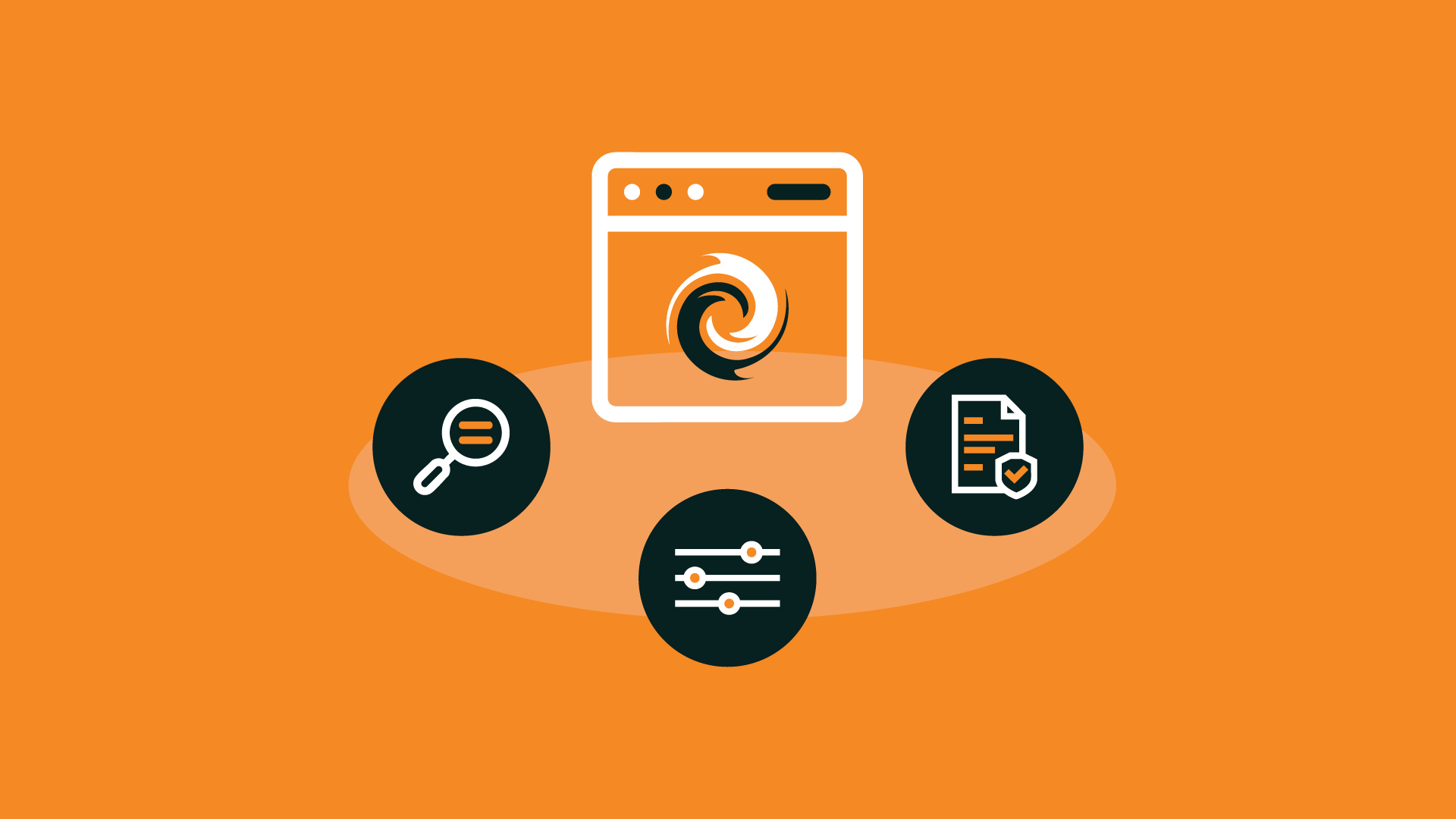
AI is no longer arriving at organizations through a front door anyone is watching. It shows up in code repositories as agents wired into production systems. It shows up in Microsoft 365, in the browser, in the consumer tools people reach for to get through their day. And it shows up faster than most security and governance teams can see, let alone control.
This release is about closing that gap. Across AI discovery, logging, governance, and posture management, the platform now does three things more completely than before: it sees the AI running across your environment, it governs how that AI is used, and it proves your posture against the frameworks that matter. Here is what is new.
See it: discovery that reaches where AI actually lives
You cannot govern what you cannot see, and AI has become very good at hiding. This release significantly widens what FireTail discovers and where.
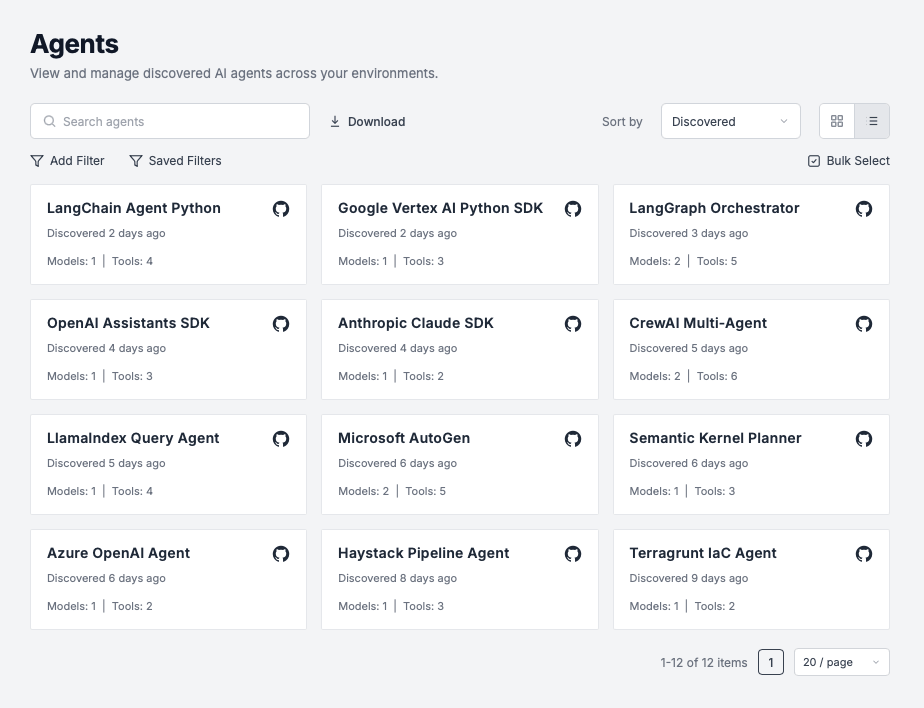
AI Agent Discovery in Code. FireTail now finds agentic AI resources directly in your repositories, so the agents your developers are building and wiring into systems are visible before they reach production. This release adds Azure DevOps support alongside detection for LangChain, the Google Vertex AI SDK, and Terragrunt. As agents become the fastest-growing and least-governed part of the AI surface, discovering them at the source is where governance has to start.
Anthropic integration. Connect your Anthropic account to discover the Claude Code users across your workforce and monitor model usage. This is direct visibility into a category of AI usage most tools cannot see at all.
Microsoft 365 integration. Discover AI applications and workforce users across M365, including expanded detection for apps like DeepL, Ideogram, and Poe, with more than fifteen new platform integrations recognized. The shadow AI running through everyday productivity tools is now in view.
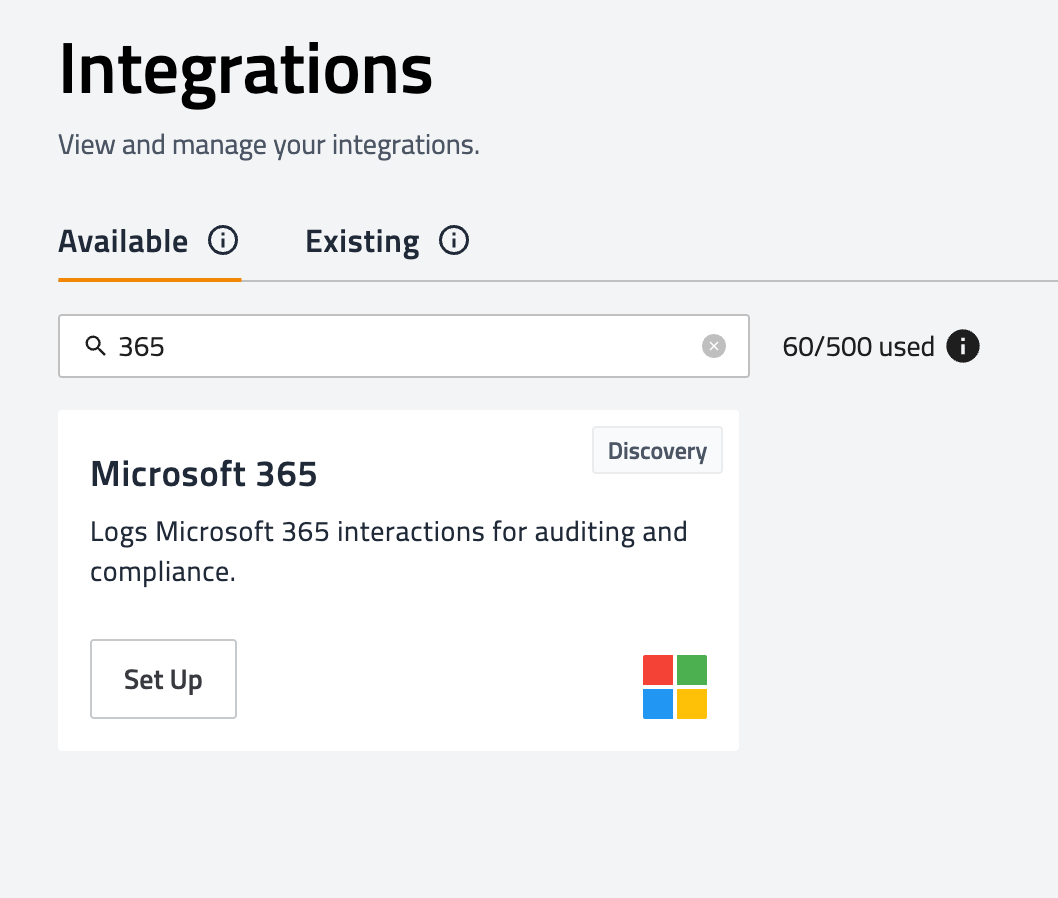
New discovery pages and resilience. New dedicated pages for Software AI Agents and AI Workforce Platforms and Applications give each surface its own home. And broken integrations now disable themselves automatically and notify you to re-authenticate, so a silent failure never leaves you with a blind spot you do not know about.
Govern it: control that maps to how organizations actually work
Discovery tells you what is happening. Governance lets you do something about it. This release turns visibility into control.
System Guardrails. Formerly Content Policies, System Guardrails give you content blocking that enforces what can and cannot pass through the AI your organization uses.
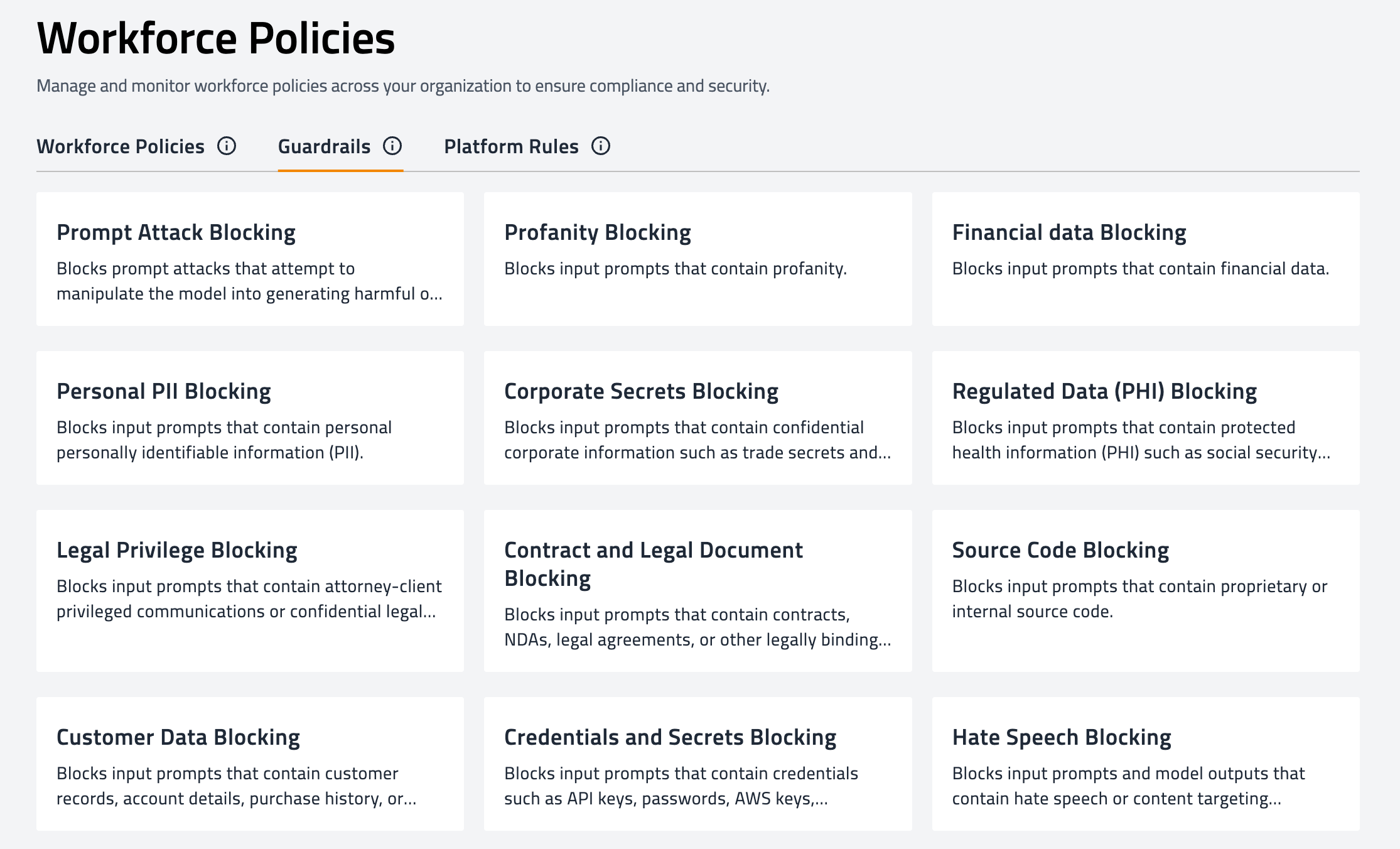
Platform Rules and Policies. Apply rules and policies at the level of Employees, Devices, and Groups, so governance reflects the real structure of your organization rather than a flat, one-size-fits-all setting.
Natural-language filter building. Building a filter no longer means wrestling with syntax. Natural-language filter autocomplete, plus new contains and does-not-contain operators, let you express policy the way you would describe it out loud.
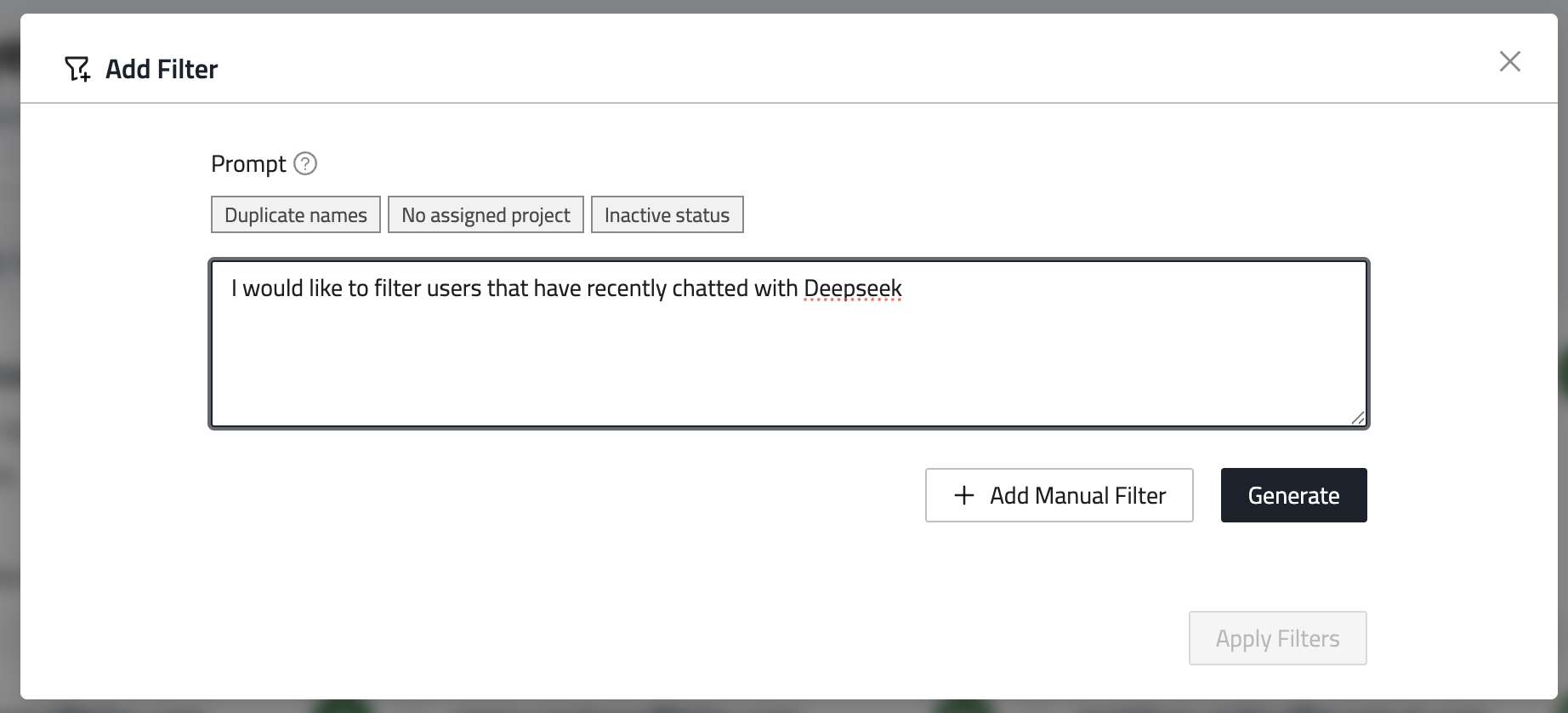
A note on language: as part of this release the platform's terminology has shifted to reflect how organizations actually think about this — Users are now Employees, and Apps are now Projects.
Prove it: compliance reporting against the frameworks that matter
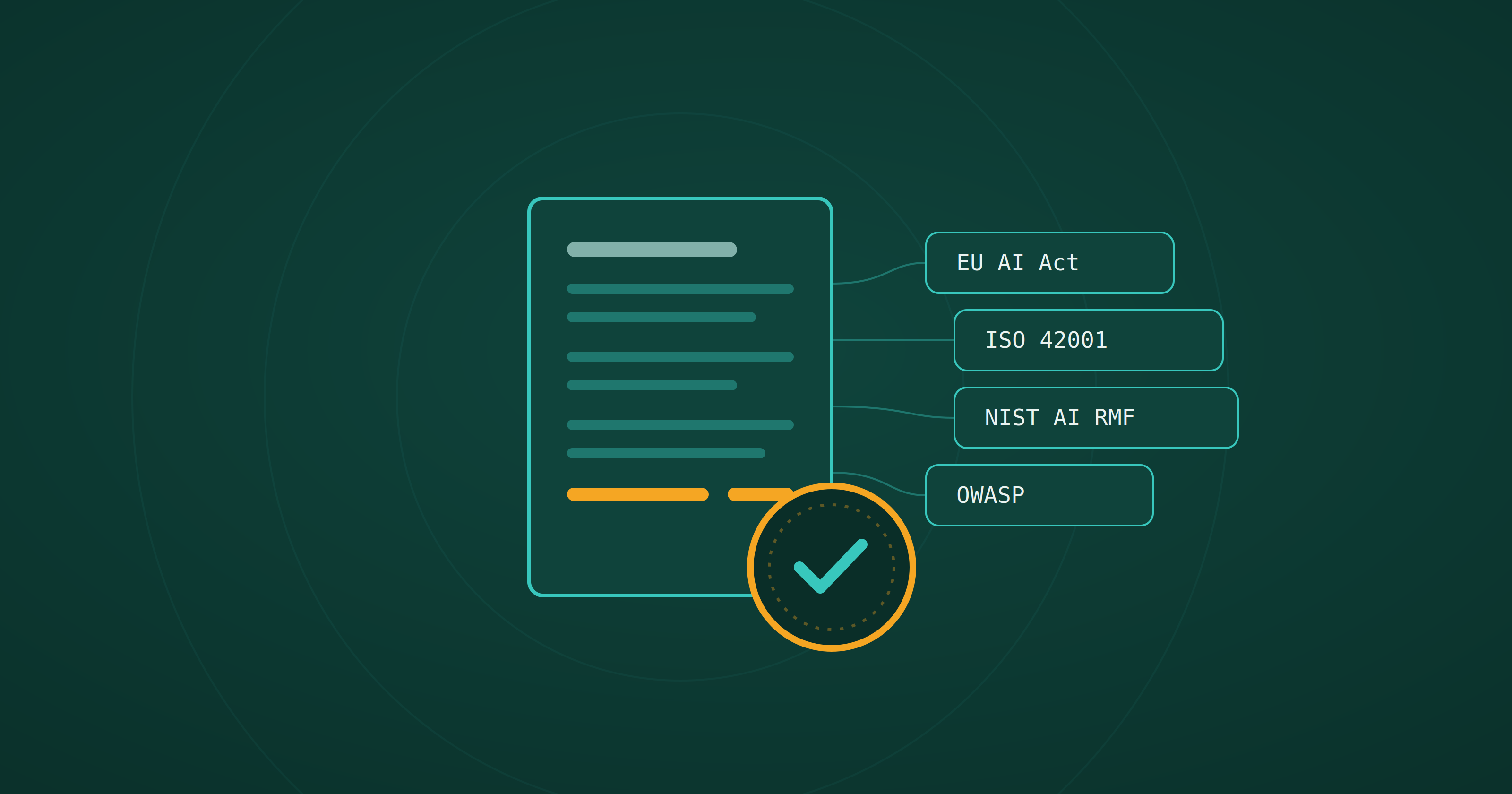
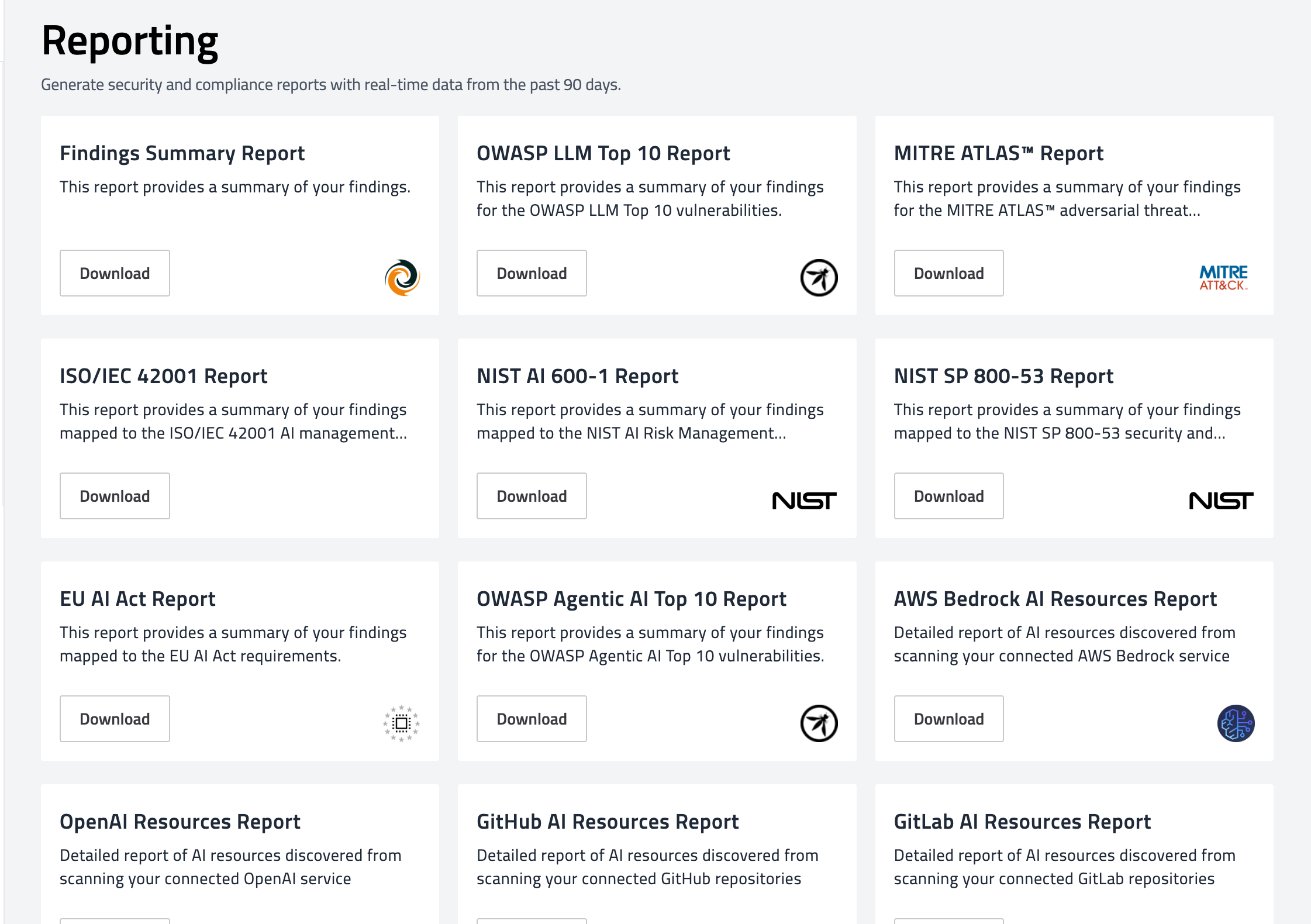
Seeing and governing AI is only part of the obligation. Increasingly, organizations have to demonstrate their AI posture to regulators, clients, auditors, and boards. This release adds a substantial set of compliance reports so you can map your AI program directly to the standards being applied to it:
- EU AI Act
- MITRE ATLAS
- OWASP LLM Top 10
- OWASP Agentic AI Top 10
- ISO/IEC 42001
- NIST AI 600-1 and NIST SP 800-53
That coverage spans the established frameworks and the newest agentic-AI standards, so as the regulatory picture moves, your ability to evidence your posture moves with it.
Better logging underneath it all
Supporting all three is a stronger logging layer. This release adds Azure OpenAI logging (in preview) and OpenAI usage log collection, redesigns Employee Logs with full chat history, and adds Opera extension support with faster, more reliable processing. Detection of sensitive data is sharper too: better PII and JWT detection, fewer duplicates, and automatic redaction of sensitive headers.
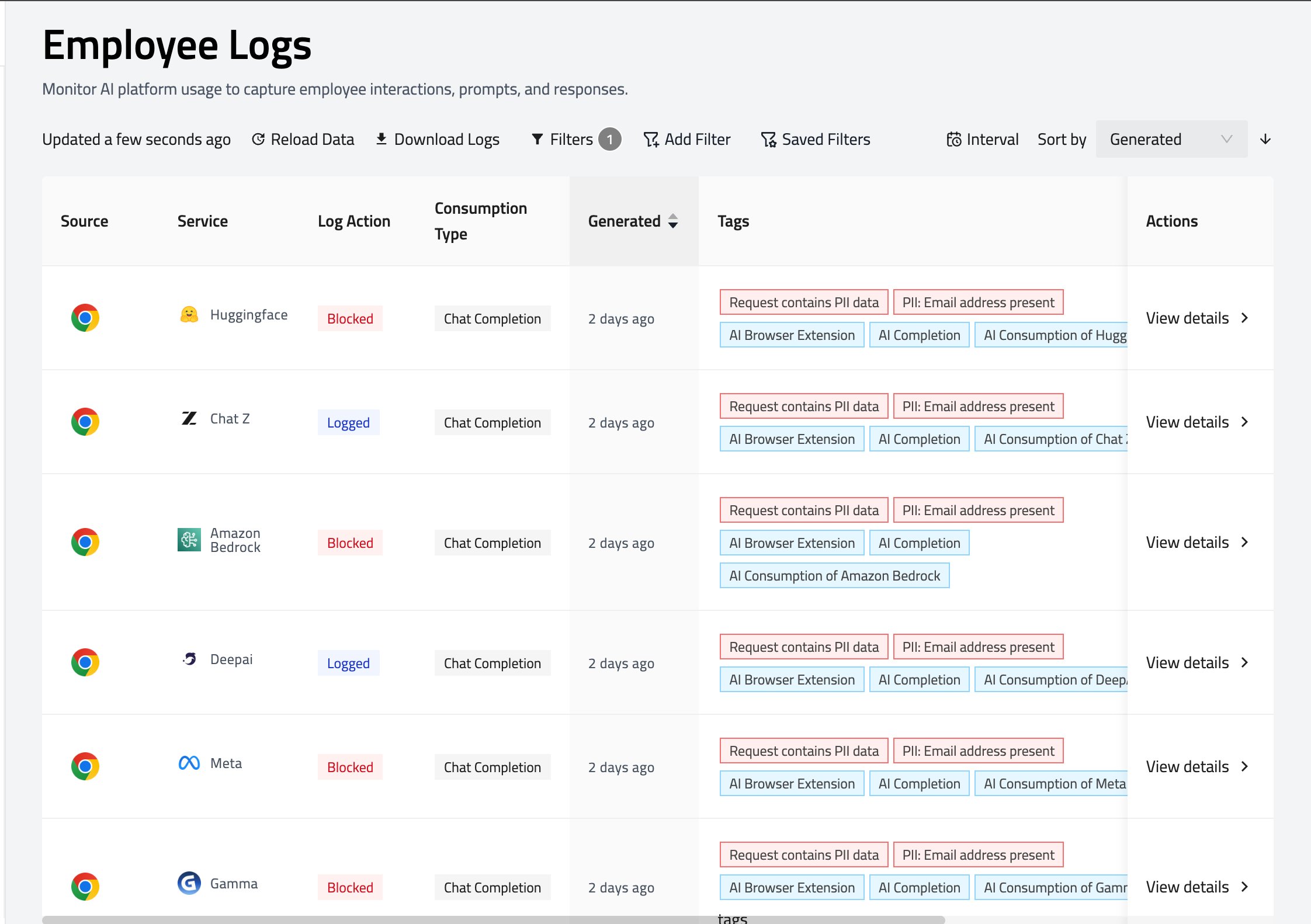
Semantic search for workforce logs. You can now search logs in plain language, so finding the activity that matters does not require knowing the exact query syntax in advance.
Now generally available
Two capabilities move to general availability in this release: SCIM 2.0 provisioning and the Chrome browser extension.
See the whole picture at a glance
Tying it together are two new dashboards: an AI Risk Dashboard for a risk-focused view of your environment, and a Workforce Usage Dashboard for an at-a-glance read on how AI is being used across the organization.
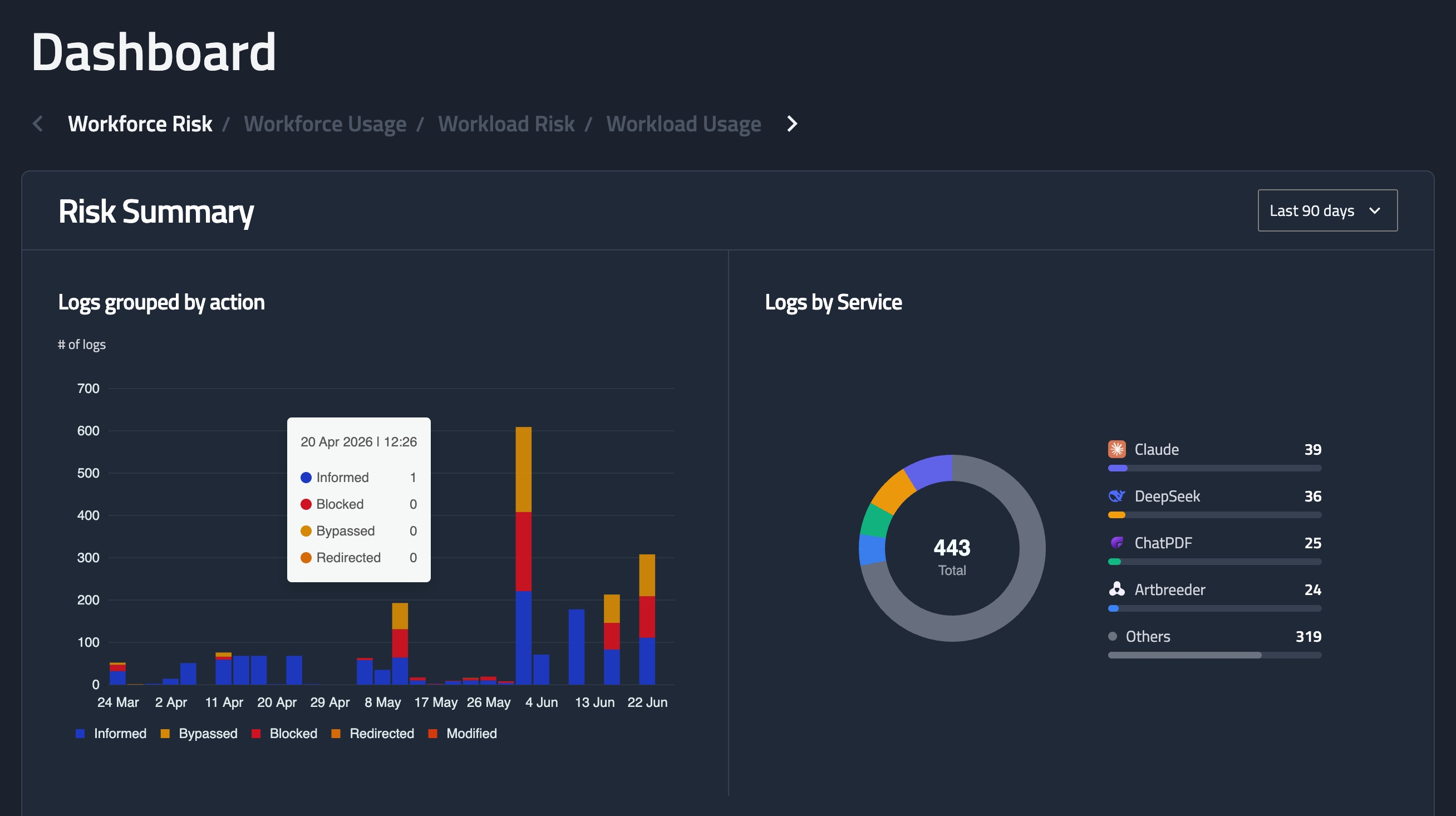
The shape of it
Individually, these are a few dozen improvements. Together they are one thing: the distance between adopting AI and actually controlling it, closed a little further. See what is running. Govern how it is used. Prove your posture to anyone who asks.
If you want to see what this looks like against your own environment, book a call and we will walk you through it. Book a call.